
Building Belonging: Rohit Jesudian’s story
The first thing Dereck Kamwesa noticed wasn't the young man's smile. It was the flip-flops.
When Rohit Jesudian stepped out of the Indianapolis airport in February 2010, he was wearing shorts and sandals, carrying little more than a duffel bag and a guitar. Before leaving India, he had checked the weather for Upland — Upland, California, not Indiana.
Dereck, Taylor University's international student director at the time, took one look at him, laughed, and made an emergency stop at Walmart before driving him to campus.
Rohit tells the story with a grin. But looking back, he realizes it wasn't just his introduction to Indiana weather. It was his first lesson in what it feels like to be welcomed. That moment has helped shape the rest of his life.
Today, Rohit is the founder of Socio Connect, a Carmel-based technology company that helps churches, nonprofits and purpose-driven organizations build stronger communities. Yet, when he discusses what business he's really in, he doesn't start by talking about software.
He talks about people. And he talks about loneliness.
"People have never felt lonelier," he said. "We're hyper-connected, but we don't always feel connected." It's a conviction that took root from a life lived across cultures.
Born in India and adopted by Indian parents living in Dubai, Rohit spent his childhood moving between India, Dubai and Yemen, attending eleven different schools before arriving at Taylor University. His parents served in business-as-mission work, teaching English, computer and business skills while quietly living out their Christian faith.
Rohit remembers one defining moment vividly. Due to political unrest while living in Yemen, the family was forced to flee with only a few hours' notice after his father was detained because authorities suspected missionary work. They escaped with two suitcases, leaving behind nearly everything they owned.
Most people would remember fear. But Rohit remembers faith.
"God shows up in the most unique places," he said. "There isn't a situation too great for Him." He also remembers the ordinary people who stepped in to help. Looking back, he sees those moments as reminders that lives are often changed through simple acts of kindness.
Taylor University became another defining moment. Since Rohit had grown up in cities like Mumbai and Dubai, Upland felt remarkably small. Surprisingly, that turned out to be exactly
what he needed. The slower pace gave him time to build friendships, discover his calling and meet Andrea, an environmental science major from Venezuela who is now his wife.
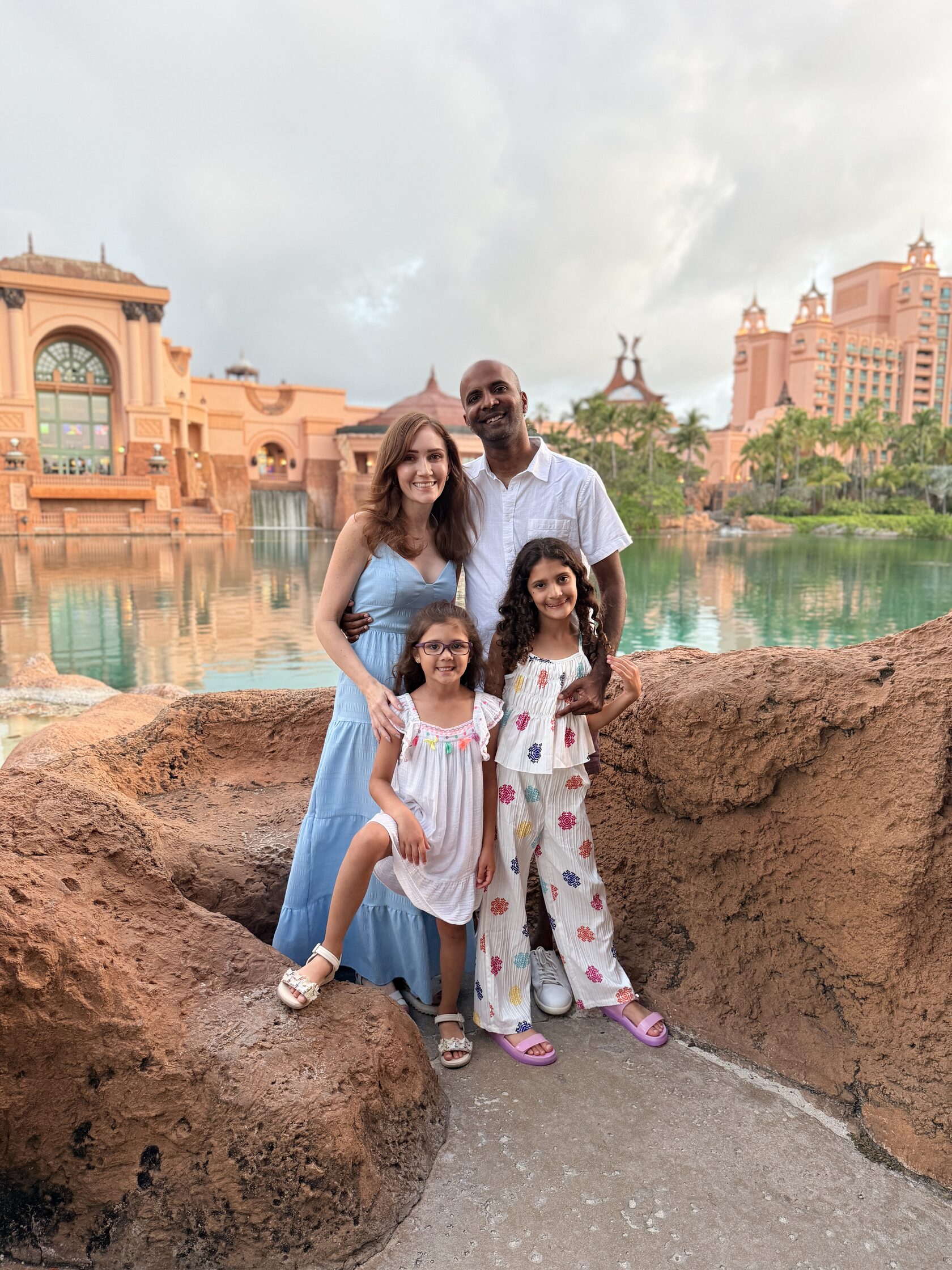


Together they navigated visas, green cards and eventually American citizenship while building a home in Indiana. Today they are raising daughters Aurora and Sofia.
For someone leading a growing technology company, Rohit's schedule has an unusual priority. Nearly every school day begins by taking his daughters to school and ends by picking them up.
Those hours are protected. "I love that I get to make time for them," he said.
The phrase make time has become one of the guiding principles of Rohit’s life.
He believes our culture often mistakes busyness for significance. Productivity has its place, but relationships deserve greater attention. Time with God. Time with family. Time with friends. Those investments, he believes, always pay the greatest dividends.
Professionally, Rohit discovered he was less interested in designing machines than designing experiences that solve real human problems. His work in user experience eventually led him to Indiana Wesleyan University, Zylo, ActiveCampaign and Snapsheet before entrepreneurship called him in a new direction.
Even as a teenager, he had an entrepreneurial streak. Wanting a motorcycle at 16, he imported inexpensive mobile phones and sold them from his backpack until he had earned enough to buy one.
"I've always looked for problems that need solving," he said.
That same mindset led him to co-found Koda, a mentoring platform connecting young professionals with career coaches. Although the company eventually took a different direction
than he envisioned, he sees it as preparation rather than disappointment. "I wouldn't have been able to start Socio Connect without going through Koda. God was preparing me," he said.
The idea for Socio Connect grew from his own experience. Even with meaningful work, a loving family and an active church life, Rohit watched people quietly drift into isolation.
Churches gathered thousands on Sundays. Universities built remarkable communities for four years. But, he asked himself, what happened between those moments?
He wanted to create technology to strengthen relationships instead of replacing them. Mentors through Praxis and Citizen7 encouraged that vision, challenging him to pursue what
they call redemptive entrepreneurship—building businesses that genuinely help people flourish.
When Rohit defines success, he doesn't dwell on titles or income. In his mind, success many years from now, will look like life surrounded by family, lifelong friends and people who have walked beside him along the way.
His newest dream reaches farther than himself. He hopes to help immigrants arriving in America find mentors, churches, friendships and opportunities that make an unfamiliar place feel like home.
Looking back, Rohit doesn't remember the cold nearly as much as he remembers the kindness that February day in 2010.
Maybe that's why, after all these years, he still believes the strongest communities aren't built with technology.
They're built one welcome at a time.
Q & A
Favorite restaurant: El Toro
Favorite cuisine: Indian food
Projects in the works: Cultural Loop, providing people with spaces to find a sense of "home.” Life Forge, a space for transformation through habit building with a community.
Dreams for vacation: visiting two international countries per year
Favorite places to vacation thus far: Rome and Aruba
Secret dream: visit every country in the world
